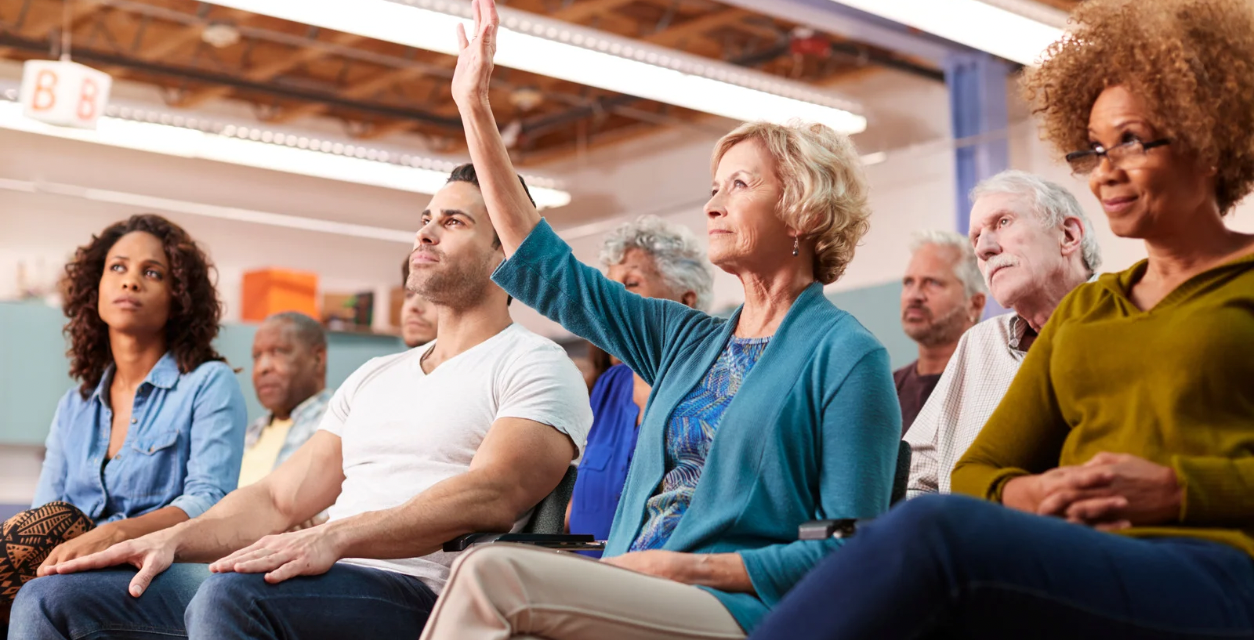
Sitting in our annual HOA community meeting, fighting through fatigue and hunger, I struggled to pay attention. This meeting represented important principles of my life: community, economics and politics by and for the people. Once a year I am invited to offer my voice to impact my own neighborhood. I pressed into the theme that has become a central focus for me: re-thinking and re-learning to apply basic principles. Here’s what I noted.
The Count
In our small community of just fifty-seven homes (about 100 adults) only seventeen attended this once-a-year, 2 hour meeting to set standards and discuss issues pertaining to our immediate neighborhood. Representation was abysmal. So sad.
The Concerns
Important factors impacting the quality of life and safety for our families were our focus. Goal number one was to assure adequate neatness, cleanliness, safety and housing uniformity to preserve peace of mind and property values. The second goal was to explore ways to enhance quality of life in the neighborhood? An occasional block party? A community garden? Eliminating noise and annoyances by mutual consent?
The Chaos
Noticing the absence of basic facilitation skills, I wanted to scream! We talked over each other. Listening was notably lacking. Resentment, accusations and offenses surfaced. Leaders became defensive. So crazy. Can any good possibly come from two hours of this?
The Compassion
Then a sudden and surprising positive element bubbled up, beginning with heart-piercing questions. How should we respond to neighbors who are dealing with traumatic life circumstances? Have any of us ever been through tragedies? There were pauses to think and process feelings. How might we help rather than punish? How far do we go with compassion? Do we pay HOA dues for those who have lost jobs or spouses? Do we mow lawns for families struggling financially? These are real concerns for real citizens of any community?
The Connection
Finally, a foundational element gripped my mind. Community, governance and economics are all about people connecting with other people to bring about the good of the people. The constitutions of all great societies speak to this point. Although philosophically flawed and imperfectly executed, these constitutions are always an attempt to draw people into unity and connection.
In our HOA, the numbers were small and the process somewhat disorganized, and yet connection happened. I put names together with faces and addresses. Disclosure of jobs and businesses – present and past – helped establish identities and personalities. Stories sprang to life as funny or tragic experiences were exchanged. Fuzzy, faceless neighbors were transformed into real, flesh and blood people. And a voice in my head nudged me to take a mental screenshot of people in the moment.
The Close
Despite a somewhat clumsy organizational style, the chairperson’s carefully crafted notes allowed her to articulate a clear summary of the issues expressed in the meeting. She stated resolutions that seemed to have the consent of the group, called for a vote wherever majority was not clear, thanked us graciously for our contribution and adjourned the meeting thirteen minutes early. We were invited to fellowship with each other for a brief moment before vacating our meeting room at the local church.
The Conclusion
This gathering exemplified an effective economic community at work. When people come together at the grassroots level, when we know each other personally and are not relying on distant personalities created by media, when we work through important issues first in neighborhoods, then in cities and finally in states or provinces, only then will we have a strong and authoritative voice to speak with elected federal authorities.
Dream
Now I invite us all to close our eyes and dream. What if neighbors across the US, Canada, North and South America, Europe, Asia even Antarctica (if there are people living there) could get back to the basics? What if we took responsibility for our own, personal domain of family and neighbors? If we learned the basics of building relationships and building wealth and began educating ourselves and others?What if we implemented all that we instinctively know to be true and right, like controlling our own spending and balancing our own budgets?
What if we became producers rather than just consumers? If we found reasonable and effective ways to help those in need while shepherding them toward self-sufficiency and away from government dependency? What if we took steps to move back to the ideal of a social, economic and governmental system that could really work?
Realizing the Dream
To realize this dream we will need to do our homework, study history and learn when, where and if—even for a short period of time—such a dream was reality on planet earth. We. Must understand the elements that created and sustained the system and the forces – thoughts, beliefs, practices—that led to its demise? The historical cycle, simply stated is this:
Hard times create tough people.
Tough people create good times.
Good times create soft people.
Soft people create hard times.
For example, my parents’ generation experienced hard times characterized by war and depression. These tough people created a new age of industry, prosperity and peace for my generation. We became soft people, relying on employers and government to assure our prosperity. Despite being educated and hardworking, we did not understand the basics of government and finances. We became soft people who created the current hard times.
However, this bad news is destined to cycle into great news. The advantages of technology are on our side. The prospect of increased longevity works in our favor. By collaborating with younger generations, we can toughen up and create era of unprecedented abundance.
I return to the element of my neighborhood HOA meeting that provided a picture of potential good times ahead. In 2025 we achieved all our financial goals and realized a budgeting surplus, which supported a vote to lower dues for 2026!
This picture mirrors the world I want to create, where community and economics are returning to the basics.
Read more of Gail’s article on Plaid or connect with her on her website.