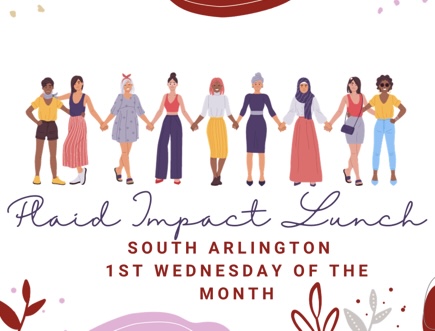

Women are often taught to work hard, stay grateful, and wait to be noticed. But the workplace doesn’t always reward silent excellence. In many cases, the people who advance the fastest are the ones willing to advocate for themselves clearly and confidently.
Research consistently shows that women are less likely to apply for roles unless they meet nearly all listed qualifications, while men apply when they meet only a portion of them. Hewlett-Packard’s internal research famously found women tended to apply only when they met 100% of qualifications, while men applied at around 60%. That confidence gap can influence everything from promotions to compensation.
The good news? Negotiation is a skill, not a personality trait. And like any skill, it can be learned, practiced, and strengthened.
Here are five things every woman should consider before negotiating for her worth.
Treat the First Offer as the Starting Point – Not the Final Answer
One of the biggest mindset shifts women can make is understanding that an offer is rarely fixed.
The first salary number presented is usually the beginning of a conversation. Employers expect some level of negotiation, especially for leadership and professional roles. Yet many women hesitate to negotiate because they fear appearing difficult, ungrateful, or demanding.
Men, statistically, are less likely to carry that fear into the process. Studies on salary negotiations show men tend to negotiate more aggressively and more frequently, while women often avoid negotiation entirely due to social pressure and fear of backlash.
That hesitation can become expensive over time. Even a small difference in starting salary compounds across raises, bonuses, retirement contributions, and future offers.
Before your next evaluation or interview, remind yourself:
- The first offer is information, not a verdict.
- Negotiation is professional, not personal.
- Asking for more does not make you greedy. It makes you informed.
A simple phrase like, “Based on the scope of the role and the value I bring, I’d love to discuss compensation closer to…” can completely shift the conversation.
Prepare Evidence, Not Emotion
Confidence grows from preparation.
Walking into a negotiation with vague feelings of being underpaid is far less effective than walking in with measurable outcomes, market data, and documented impact.
Before negotiating:
- List your accomplishments from the past year.
- Quantify results whenever possible.
- Gather salary benchmarks from reputable sources.
- Document expanded responsibilities or leadership growth.
Think like a business case presentation, not a plea for approval.
For example:
- Did you increase revenue?
- Improve efficiency?
- Lead strategic initiatives?
- Retain clients or staff?
- Build partnerships?
- Take on responsibilities outside your original role?
Your negotiation should connect your compensation to organizational value.
This is especially important for women because research shows women’s contributions are often undervalued or evaluated differently than men’s, even when performance is equivalent.
Data creates clarity. Clarity strengthens confidence.
Harvard University has an article on how to successfully negotiate a salary increase, linked here.
Stop Waiting Until You Feel “Fully Ready”
Women are frequently overqualified before they feel qualified.
Many high-achieving women delay applying for promotions, leadership positions, or stretch opportunities because they are waiting to feel completely prepared. Meanwhile, men are statistically more likely to pursue opportunities before checking every box.
Perfectionism can quietly become self-sabotage.
Growth rarely happens after you feel 100% ready. It happens when you step into opportunities that stretch you.
If you consistently:
- exceed expectations,
- learn quickly,
- adapt well, and demonstrate leadership, you are likely more prepared than you think.
Self-advocacy requires challenging the internal voice that says:
“I need one more certification.”
“I need more experience.”
“I should wait another year.”
Sometimes the next level of confidence only appears after you say yes.
Practice Negotiation Before the Conversation Happens
Negotiation is emotional. Preparation helps regulate that emotion.
Many women enter negotiations having rehearsed only the facts, not the delivery. But practicing the conversation itself matters just as much.
Try:
- Rehearsing responses aloud.
- Role-playing difficult questions.
- Practicing pauses instead of overexplaining.
- Preparing for pushback calmly and professionally.
One powerful strategy is replacing apologetic language with direct language.
Instead of: “I’m sorry, I just wanted to ask…”
Try: “I’d like to discuss…”
Instead of: “I know budgets are tight…”
Try: “Based on my contributions and market standards…”
Language shapes perception, including your own perception of yourself.
Research also suggests women may experience social penalties for assertiveness in negotiations, making preparation even more important.
You do not need to become aggressive to advocate effectively. You simply need to become clear.
Advocate for Yourself the Way You Would for Someone You Love
Many women fight harder for others than they do for themselves.
A leader will advocate fiercely for her team, her children, her clients, or her mission while minimizing her own value in the same breath.
But self-advocacy is not arrogance. It is sustainability.
When women negotiate fairly:
- they increase long-term financial stability,
- model confidence for younger women,
- and help shift workplace culture overall.
You are not just negotiating for a paycheck. You are negotiating for:
- your time,
- your expertise,
- your leadership,
- your energy,
- and your future opportunities.
The workplace benefits when talented women stop shrinking themselves to fit outdated expectations.
Know your value before you enter the room. Then advocate for it with preparation, professionalism, and confidence.
Because your worth should never be discounted simply because you were taught to be humble about it.
Find more by Amber here.