Back in June, I hit a wall. Not the dramatic kind. Nobody staged an intervention. My doctor didn’t order bed rest. There wasn’t a major crisis at work or at home.
In fact, most things were going pretty well. My family was healthy. Work was meaningful. My coaching practice was growing. My health was better than it had been in years. On paper, everything looked exactly the way I wanted it to.
The Problem
Maybe that was part of the problem. Sometimes the things we love still require energy. And after a while, I realized I was running on momentum instead of intention. I wasn’t unhappy. Not entirely burned out. I was simply disconnected from many of the practices that had helped me stay grounded during previous seasons of life.
So, I did something I rarely do. I called a time-out. I blocked ten days on my calendar and took a sabbatical. Not to travel, or to launch a new project. Not to get ahead. Just to reconnect.
What I Needed
What I thought I needed was rest. What I discovered was that I needed to return to myself. One of the first things I noticed was my patio. It’s funny how we stop seeing things when we walk past them every day. Over time, clutter had accumulated. My old kitchen table had somehow made its way out to the back patio with its matching bench. Bins, boxes, and junk were piled on top of it. Two bikes my children hadn’t ridden in over a year were underneath the table, just abandoned there.
As I cleaned and refreshed this space, I realized it was reflecting something deeper. My mind felt a lot like that cluttered patio. Not broken. Not completely neglected. Just overdue for some intentional care. So, I started creating space again.
Creating Space
After 4 hours, the “peaceful patio” that I had created last year started to look like mine again. I smiled at the turquoise-colored padded seat cushions, rugs, and other accessories I had taken the time to pick out. I immediately felt more at peace, which allowed me to return to the second practice that helps me maintain my balance.
At the direction of my therapist, I returned to journaling, something that has helped me process life for years. There is something powerful about getting thoughts out of your head and onto paper. Research supports what many of us have experienced firsthand—reflective writing can help reduce stress and improve emotional well-being.
Some days I filled pages. Other days I only wrote a few sentences. What mattered wasn’t the quantity. It was creating space to listen to myself again.
Movement
I also returned to movement. For years, morning movement has been one of the anchors of my wellness routine. Somewhere along the way, life got busy, schedules got full, and those mornings became less consistent.
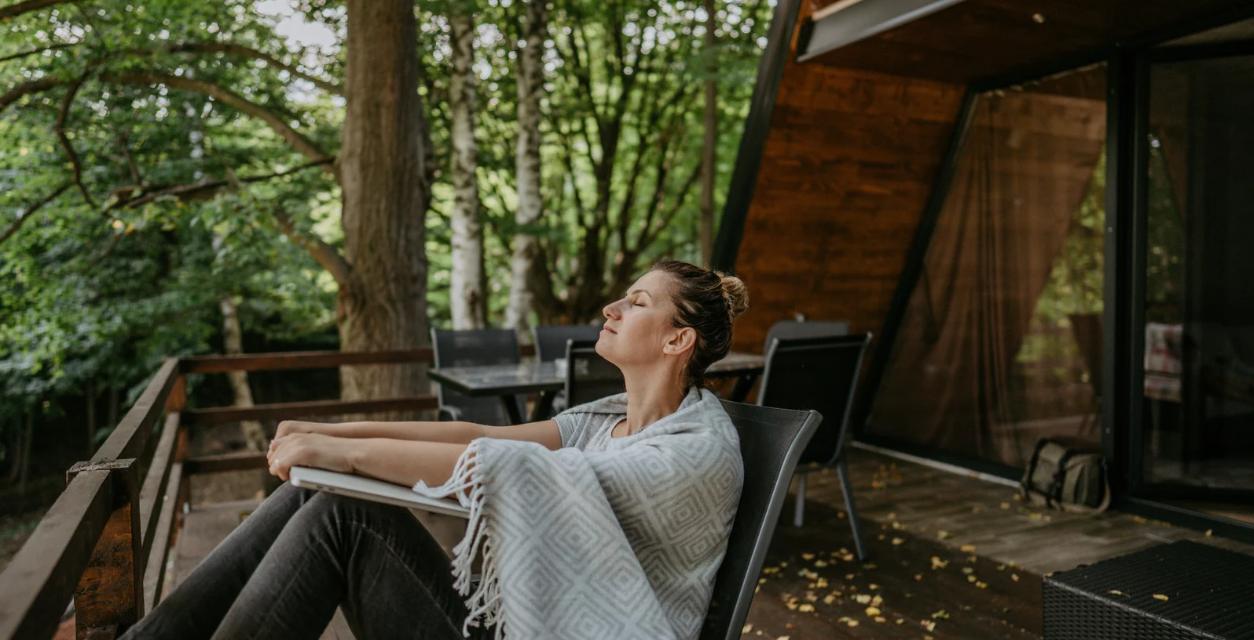
During my sabbatical, I found myself outside on my peaceful patio again in the early mornings. The air was quiet. Our neighborhood was still. The sun was beginning to rise. There wasn’t anything particularly remarkable about those workouts, but they reminded me how different I feel when I intentionally care for my body.
Physical activity is often discussed in terms of weight, fitness goals, or appearance. But for me, movement has always been just as much about mental and emotional wellness. The Centers for Disease Control and Prevention notes that regular physical activity can improve brain health, reduce anxiety, and support overall well-being. I wasn’t training for anything. I was simply reconnecting with a rhythm that helps me feel like myself.
Reconnecting
As the days passed, I found myself reconnecting in other ways too. I spent intentional time with my husband. I slowed down enough to truly be present with my children. We talked. And we laughed. We shared meals. We sat together without multitasking. Nothing extraordinary happened. And yet, those moments felt incredibly important.
One of the lessons I’ve learned over the years is that connection often gets pushed aside by the very responsibilities we’re trying to manage for the people we love. We convince ourselves we’ll reconnect later, after the project is finished, after the event is over, after the next busy season passes.
But relationships aren’t sustained by good intentions. They’re sustained by presence. The U.S. Surgeon General has identified social connection as a critical component of overall health and well-being. While many of us know this intuitively, it was a reminder I needed during those ten days.
Nothing New
The most surprising part of the sabbatical wasn’t discovering some groundbreaking wellness strategy. It was realizing that none of these practices were new. Journaling wasn’t new. Movement wasn’t new. Quiet reflection wasn’t new. Faith wasn’t new. Connection with family wasn’t new. These were the same tools that had carried me through other seasons of life. I had simply drifted away from them.
When people talk about whole-person wellness, we often separate it into categories: mind, body, and spirit. While that framework is helpful, my experience was much messier and much more interconnected than that. The journaling helped clear my mind. Movement strengthened my body. The quiet moments with God, my family, and my own thoughts nourished my spirit. Each practice supported the others.
Looking Back
I wasn’t spending ten days improving my mind one day, my body the next, and my spirit the day after that. I was caring for all three at the same time. And maybe that’s what whole-person wellness really is. Not becoming someone new. Or finding the perfect routine. Not achieving some ideal version of ourselves.
Sometimes wellness is simply recognizing that we’ve drifted, calling a time-out, and returning to the practices that help us feel grounded, connected, and fully alive. I didn’t spend ten days transforming my life. I spent ten days returning to it. And for me, that made all the difference.
Find more by Amber here.