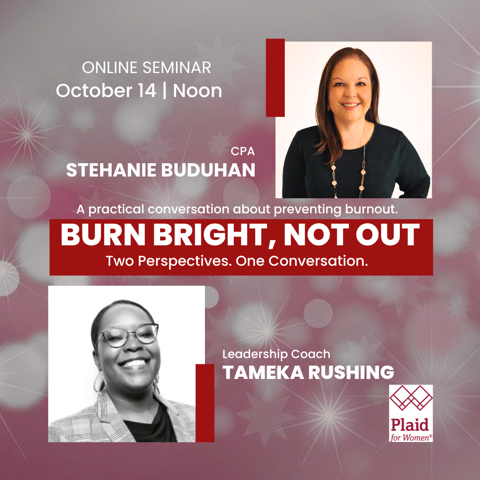

We talk about burnout a lot these days. It shows up in articles and podcasts and conversations with friends who are tired in a way that sleep doesn’t seem to fix. And yet for something we discuss so frequently, it has a way of sneaking up on us anyway. It arrives not all at once but gradually, quietly. Until one ordinary day we look up and realize we have been running on empty for longer than we knew.
Slow Erosion
Burnout is often described as the result of doing too much. And there is truth in that. But in my experience, both personally and professionally, burnout is less about the volume of what you are doing and more about the slow erosion of yourself in the process. It is what happens when you have been giving and adapting and managing and pushing for so long that you have lost track of where the demands end and you begin.
Seasons of change are particularly fertile ground for burnout, and not always for the reasons we expect. A new job, a family transition, a move, a loss, even a positive change that you chose and wanted can quietly deplete you. Change requires adaptation, and adaptation takes energy. It asks you to learn new rhythms, navigate new terrain, and often show up for other people who are also adjusting. What it rarely asks you to do is slow down and tend to yourself in the middle of it.
Burnout
So how do you know if you are burning out? The signs are not always dramatic. Burnout can look like irritability that seems disproportionate to the situation. It can look like a flatness, a loss of interest in things that used to matter to you. It can look like the inability to be present even when things are technically fine. Burnout can look like getting through the day and feeling nothing at the end of it, not relief, not satisfaction, just done. If any of that sounds familiar, you are not weak and you are not failing. Your system is telling you something important.
Recovery from burnout is slower than we want it to be, and it is rarely as simple as taking a day off or adding a self-care practice to the list. Real recovery requires something more fundamental: returning to yourself. That means asking what you actually need, not what the season demands of you. It means letting some things be good enough so that you have something left over for the things that matter most. It means being honest with at least one person about how you are really doing, not the managed version you present when someone asks in passing.
Most of all it means recognizing that you are not just a person who gets things done. You are a person. And seasons of change have a way of making us forget that, slowly and without fanfare, until the forgetting itself becomes the crisis.
Don’t Wait
You don’t have to wait for the crisis. You can start paying attention now, in this season, before the empty sets in. Not with a new routine or a longer checklist, but with a simple and honest question: where have I been losing myself lately, and what would it look like to find my way back?
That question, taken seriously, is where recovery begins.
Find more from Jamie here.